
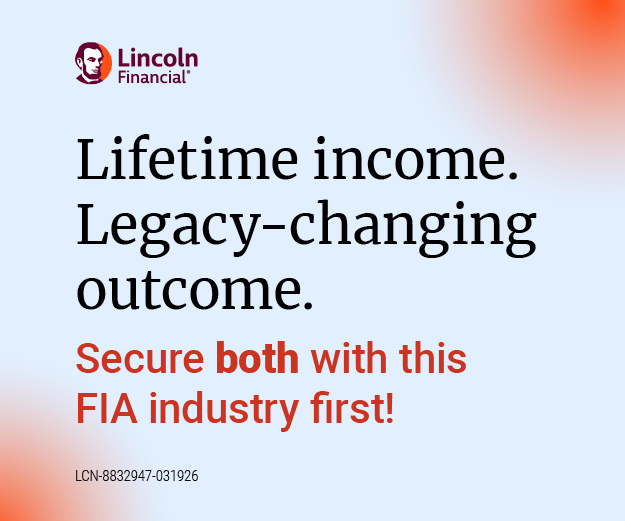
In financial services, trust is everything. Yet when it comes to marketing, many advisors rely on vague, overused phrases like “holistic planning” or “comprehensive solutions. ” These words are safe, but they are also forgettable. In a crowded marketplace, words must do more than describe services; they must move people to feel something and act.
Financial advisors often underestimate the role of language. But advertising is not just about facts; it is about clarity, purpose, and persuasion. Every word carries weight. The right words create urgency, build connection, and inspire confidence. The wrong words blend into the background noise.
What Works: Language That Connects
The most effective marketing language for advisors does three things:
- Defines a clear purpose: Good copy signals exactly what the firm does and why it matters. Instead of “We provide comprehensive wealth management,” a stronger statement is: “We help you keep more of what you earn and grow it for the future you want. ” This ties the service directly to the client’s personal outcome.
- Drives emotion before logic: Financial decisions are deeply personal. Words that evoke security, legacy, freedom, or peace of mind resonate more than technical terms. For example, “Protecting your family’s tomorrow” is far more powerful than “asset allocation and risk management.
- Uses action-oriented phrasing: The purpose of marketing is to encourage the next step. Phrases like “Schedule your 15-minute retirement readiness call today” or “Discover how tax-smart investing could put thousands back in your pocket” guide the reader toward an action with clarity and urgency.
When advisors speak plain, outcome-focused language, prospects do not just hear services they see themselves in the story.
What Does Not Work: Empty or Overused Phrases
The biggest pitfall in financial advisor marketing is leaning on jargon. Words like “holistic,” “comprehensive,” or “innovative” have been used so frequently that they have lost their meaning. They signal effort but not value. A prospective client does not care if your firm is “holistic” they want to know how you will make their life better.
Other examples of weak or ineffective marketing language:
“Tailored solutions” – Too broad. Every firm claims this. Instead, be specific: “Investment strategies built around your retirement timeline. ”
“Trusted partner” – Trust is earned, not declared. Better: “Helping families in our community for over 20 years. ”
“Comprehensive planning” – Comprehensive means everything and nothing. Instead: “From tax planning to retirement income, we cover all the pieces, so you don’t have to. ”
These phrases fail because they lack emotion, clarity, and differentiation. They describe the firm, not the client’s need or desired outcome.
Defining Purpose, Emotion, and Action
Effective marketing is intentional. Every campaign should start with three questions:
- Purpose: What do we want this advertisement to do? Generate calls, drive event registrations, or increase newsletter sign-ups?
- Emotion: What do we want the reader to feel? Relief, Confidence, Curiosity, or Urgency?
- Action: What do we want the reader to do next? Click, Call, Register, or Share?
When advisors frame their words through this lens, the language naturally becomes sharper and more effective. For instance, if the goal is to drive event attendance, the purpose might be educating prospects about retirement income planning, the emotion could be relief in finding clarity, and the action is register for a free workshop. The copy then writes itself:
“Confused about how to turn savings into income? Join our Retirement Income Workshop and walk away with a step-by-step plan you can feel confident in.
That phrasing is simple, emotional, and action-driven.
Words Build Trust
Financial advice is about trust. The language advisors choose either to build it or erode it. Empty buzzwords put up walls, while clear, purposeful words open doors.
Clients do not want jargon; they want understanding. They do not want “solutions” – they want security, confidence, and a path forward.
By focusing on language that defines purpose, drives emotion, and encourages action, advisors can cut through the noise and create marketing that not only reaches more people but also truly connects. In a world of thousands of competitors, the right words may be the most valuable asset of all.